Don't miss our holiday offer - up to 50% OFF!
Best Boxing Gloves for Heavy Bag Training

The right gloves protect your hands and wrists, soften the impact on your joints, and let you train harder for longer. The wrong pair leads to sore knuckles, sprained wrists, and a bag session cut short.

1. Know the Difference: Bag Gloves vs. Sparring Gloves
- Bag gloves have denser, firmer padding built to absorb repeated impact against a hard surface. They’re usually lighter and more compact.
- Sparring gloves have softer, thicker padding to protect your partner’s face, which makes them heavier and less supportive on the bag.
- Training gloves are a hybrid. They’re a good all-rounder if you do both, but they’re rarely the best at either.
If most of your work is on the heavy bag, buy bag gloves.
2. Choose the Right Size
Glove weight is measured in ounces (oz), and the right size depends on your body weight and how you train.
| Your weight | Recommended heavy bag glove |
|---|---|
| Under 60 kg (130 lb) | 10 to 12 oz |
| 60 to 80 kg (130 to 175 lb) | 12 to 14 oz |
| 80 to 90 kg (175 to 200 lb) | 14 to 16 oz |
| Over 90 kg (200 lb) | 16 oz |
Beginners and anyone with sensitive wrists often do best with 14 to 16 oz, since extra padding means extra protection. Check the brand’s size chart, because sizing varies.
3. Look for the Features That Matter
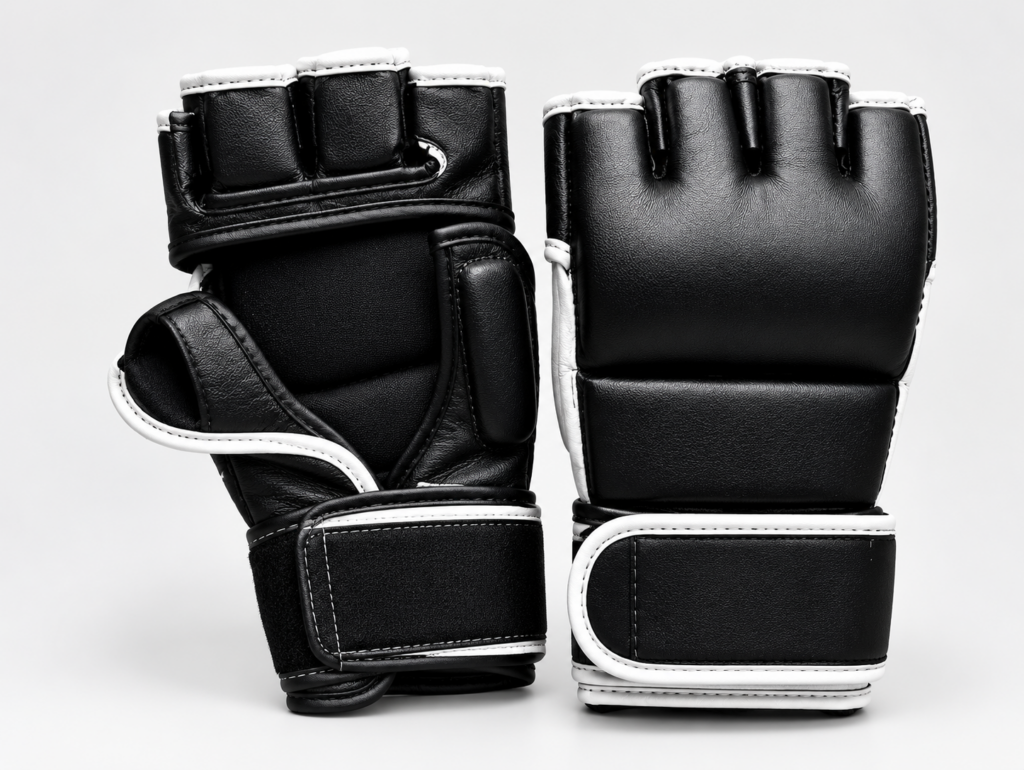
- Padding: Multi-layer foam is the standard, and high-density foam holds up better over time. Horsehair padding is firmer and used by some traditional makers.
- Wrist support: A long, wide hook-and-loop strap keeps the wrist locked in line with the forearm. Lace-ups give a more custom fit but need a partner to tie.
- Thumb attachment: A thumb locked to the glove body helps prevent eye pokes and thumb injuries.
- Breathability: Mesh palms and ventilation panels reduce sweat and odor.
- Fit: Your hand should feel snug with no dead space at the fingertips, and your fist should close fully.
4. Pick the Right Material
- Genuine leather: Durable, molds to your hand, and lasts for years with proper care. It costs more.
- Synthetic (PU or vegan leather): Affordable and easier to clean, though it usually wears out faster and breathes less.
- Microfiber: A good middle ground, lighter than leather and often more resistant to wear.
5. Top Picks by Category
Models change often, so check current reviews before buying. These are brands consistently recommended for bag work:
- Best overall: Hayabusa and Cleto Reyes make strong, supportive gloves with durable padding.
- Best for beginners and value: Everlast, Title, and Ringside offer reliable, budget-friendly options.
- Best premium: Winning and Cleto Reyes are popular with serious fighters, though their prices reflect it.
- Best for lightweight cardio and bag work: Venum and Fairtex offer comfortable, stylish gloves suited to regular gym sessions.
- Best for wrist support: Look for long cuffs with a closed-loop strap, such as those from Rival and Hayabusa.
6. Wear Hand Wraps Every Time
Gloves alone don’t fully protect your hands. Wraps stabilize the small bones in your hand and wrist, absorb sweat, and extend the life of the gloves.
- Use 180-inch (4.5 m) wraps for most adults, or longer ones for larger hands.
- Wrap snugly, but not so tight that you cut off circulation.
7. Care for Your Gloves
- Air them out after every session, and don’t leave them sealed in a gym bag.
- Use glove deodorizers or cedar inserts to control odor.
- Wipe the exterior with a damp cloth, and condition leather occasionally.
- Keep them away from direct heat and sunlight, which dry out and crack the material.
- Replace them when the padding feels flat or hard, usually after 1 to 2 years of regular use.