Don't miss our holiday offer - up to 50% OFF!
Boxing Punching Bag: How to Choose the Right One

A punching bag is one of the best investments for building power, technique, and cardio at home or in the gym. But with so many types and sizes available, picking the right one matters. Here’s how to choose with confidence.

1. Know the main types
- Heavy bag: The classic choice for power training, footwork, and combinations. Hangs from a ceiling mount or stand.
- Free-standing bag: Weighted base instead of hanging. Great if you can’t mount to a ceiling or want to move it around.
- Speed bag: Small, fast-moving bag for hand-eye coordination and rhythm, not power.
- Double-end bag: Anchored top and bottom, mimics a moving opponent for reflexes and precision.
- Uppercut bag: Shorter and angled, built specifically for uppercut practice.
Most beginners start with a heavy bag or free-standing bag.
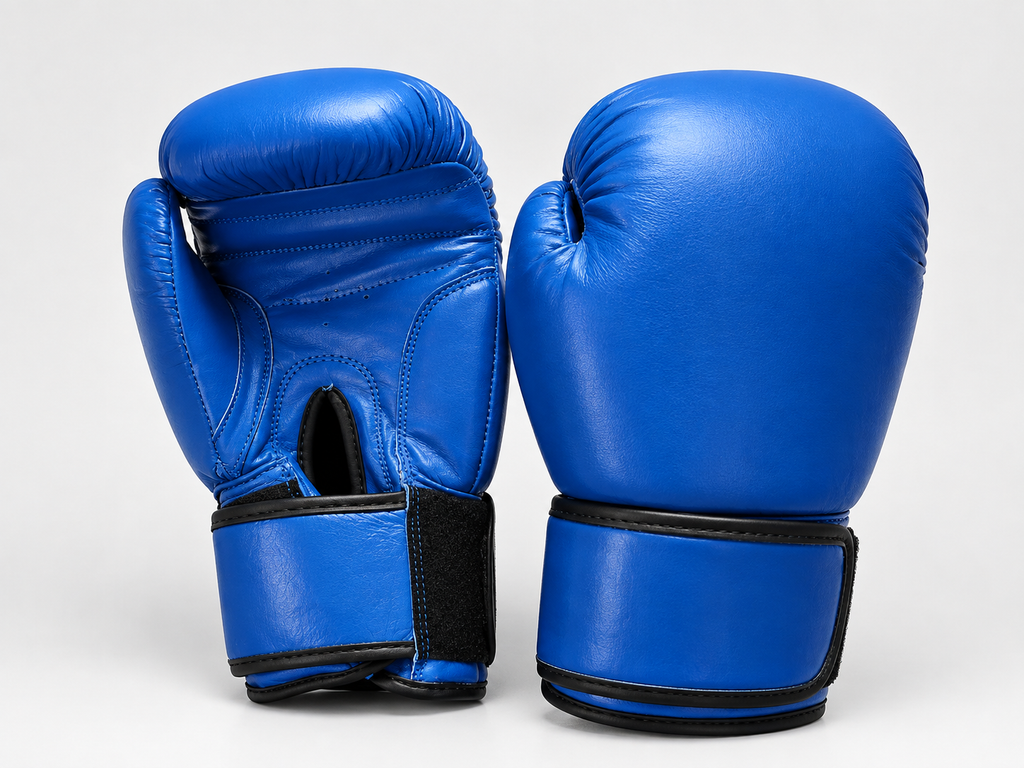
We pay attention to material selection, stitching, finishing, shape, and overall construction to create products that can handle regular training use. The equipment is designed to provide a practical
2. Pick the right weight
Bag weight should roughly match your body weight so it doesn’t swing wildly or feel too stiff.
| Body weight | Recommended bag weight |
|---|---|
| Under 130 lb (59 kg) | 40-70 lb |
| 130-180 lb (59-82 kg) | 70-100 lb |
| Over 180 lb (82 kg) | 100-150 lb |
Heavier bags absorb power punches better; lighter bags suit speed and combo work.
3. Consider the size and space
- Ceiling height: Standard heavy bags run 4-5 ft long and need enough clearance to hang and swing.
- Floor space: Free-standing bags need a stable base area, usually a few feet of clearance on all sides.
- Home vs. gym: Apartments often suit free-standing or wall-mounted bags better than ceiling-hung ones.
4. Choose the right material
- Leather: Most durable, best feel, higher price.
- Synthetic leather (vinyl): Budget-friendly, easier to clean, slightly less durable.
- Canvas: Rugged and old-school, but rougher on bare knuckles.
5. Check the filling
- Fabric/cloth filling: Softer, gentler on hands and joints.
- Sand or sawdust mix: Firmer and more realistic resistance, but harder on the hands without wraps and gloves.
- Water-filled (free-standing bases): Common for stability in free-standing bags.
6. Match it to your goals
- Power training: Heavy bag, higher weight.
- Speed and coordination: Speed bag or double-end bag.
- General fitness/cardio: Lighter heavy bag or free-standing bag.
- Kids or beginners: Lighter bags (40-70 lb) with softer filling.
7. Don’t forget accessories
A good setup includes hand wraps, bag gloves, and a secure mount or stand. Skipping wraps is one of the top causes of wrist and knuckle injuries.